



Our stories: Sharing God’s Abundance: How Zion Lutheran Turned Livestock into Lifelines
In a county where families face empty refrigerators and tight grocery budgets, Zion Lutheran Church turned one estate gift into hundreds of pounds of fresh beef and pork — putting rare, high-quality protein on the tables of neighbors who needed it most.
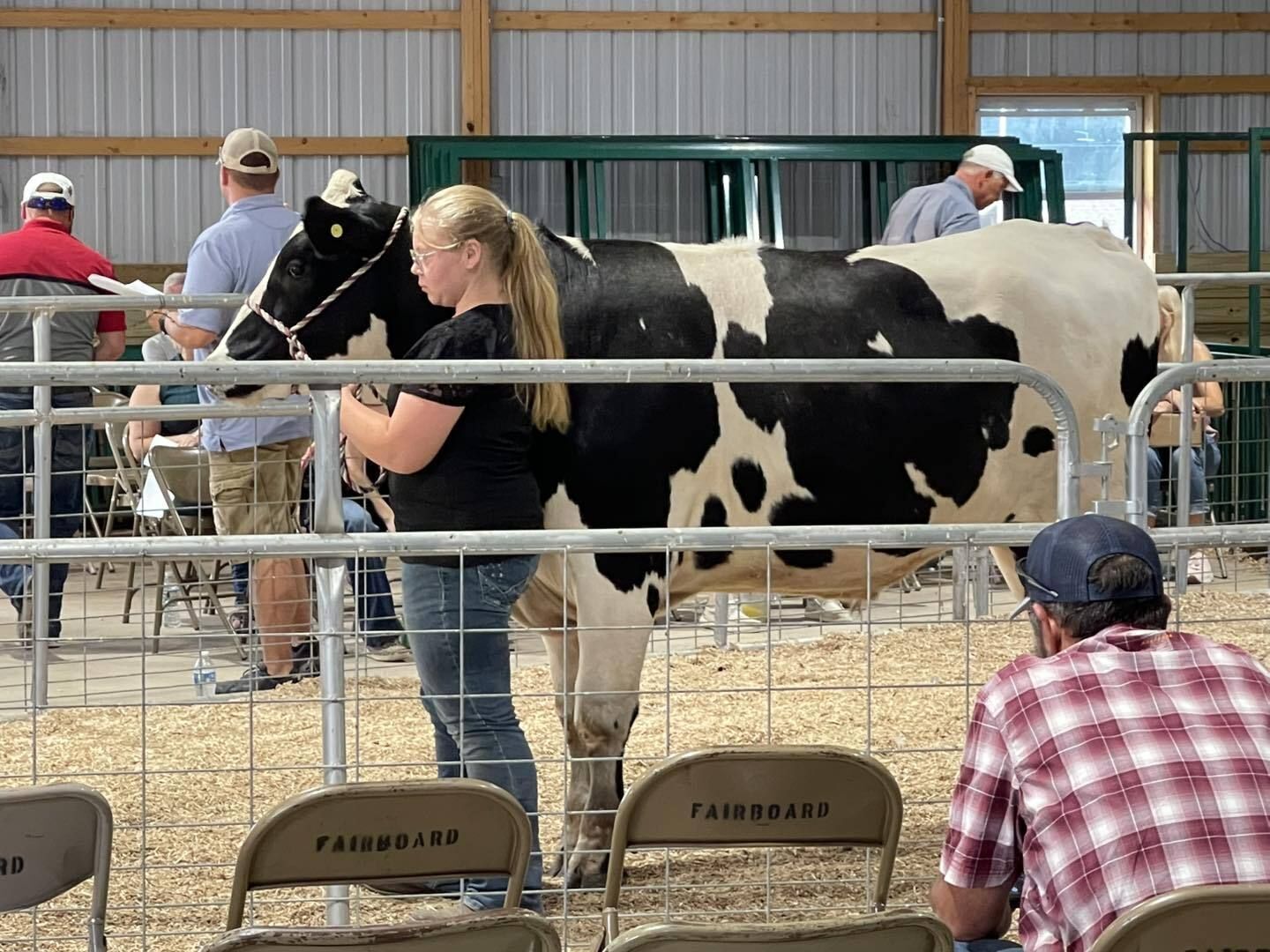
In Indiana, where roughly one in seven people experiences food insecurity, congregations are uniquely positioned to respond to urgent local needs. By pairing the estate gift with a Daily Bread grant and an existing partnership with the Hope Food Pantry, Zion transformed charitable dollars into tangible nourishment by purchasing livestock at the local 4-H Fair, supporting youth and agricultural families, and ultimately providing high-quality protein to approximately 70 households.
As congregations across the IN-KY Synod respond to pressing concerns such as food insecurity, the Synod works alongside the ELCA and other partners to offer grants that empower local churches to serve creatively. At Zion, that support translated into a practical, homegrown solution to a real and persistent challenge. Food pantries often operate on tight budgets and rely heavily on shelf-stable donations. High-quality protein — especially fresh, locally raised beef and pork — is one of the most expensive and hardest items to keep in stock, food pantry organizers said.
By partnering with local 4-H youth, Zion addressed this gap directly. The donated meat allowed families to prepare balanced, nutritious meals. Pantry staff shared that recipients were especially grateful, noting that meat is rarely available in such quantity and quality.
From auction day to final delivery, Zion members were involved every step of the way. Volunteers identified 4-H participants with livestock available for purchase, coordinated bidding at the fair auction, and arranged processing with a local butcher. They ensured proper packaging and safe delivery to the pantry.
The project also strengthened ties with local youth and agricultural families. By purchasing animals through 4-H, Zion not only supported food-insecure households but also reinvested in youth development and the county’s agricultural community. Several 4-H families and leaders have already expressed interest in partnering again in the future.
Midway through the process, an unexpected challenge arose.
Both Hope Food Pantry and Community and Family Services closed during a period of organizational transition, raising urgent concerns about how the donated meat would reach families. Rather than step back, Zion stepped forward.
The church helped oversee remaining operational funds to stabilize services temporarily while community leaders organized a new nonprofit, Feeding Blackford County, to continue long-term hunger relief efforts.
Through careful coordination and strong communication, Zion worked directly with leaders of the new 501(c)(3) to transfer the beef and pork safely and without interruption.
Despite uncertainty, every pound of donated meat reached local familiesFor Zion Lutheran, the initiative reflects a longstanding commitment: to share God’s abundance, care for neighbors, and invest in partnerships that strengthen the whole community.
